

Quick answer: Day two of the Tom Ferry conference brought another full day of energy, recognition, and learning—plus a reminder that the best professional development should ultimately improve the client experience.
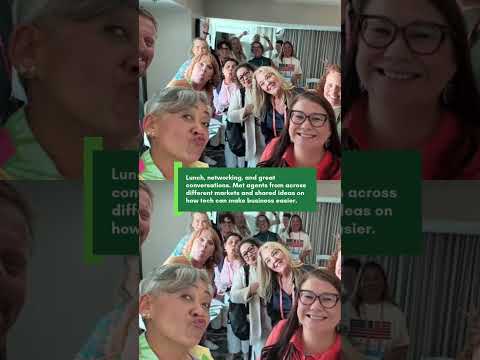
Learning in a high-energy room
The video opens with applause and then moves through a conference montage filled with music and movement. That energy is part of what makes an in-person event valuable: people are present, ideas are being shared, and everyone has stepped outside the normal workday to focus on improvement.
The important work comes after the applause, when the notes and conversations are translated into better habits.
What I look for at a real estate conference
I pay attention to ideas that can improve property marketing, response time, client education, negotiation preparation, and the follow-up that happens long before or after a transaction. I also compare what I hear on stage with the realities of serving clients in Surprise and the Northwest Phoenix Valley.
Not every national strategy belongs in every local market. Local knowledge, current data, and the client’s individual circumstances still have to guide the decision.
Bringing the useful ideas home
My goal is to leave a conference with a short list of changes I can actually implement. Better systems should make real estate feel more human, not less. They should create more room for careful listening, proactive updates, and attention to the details that matter to each buyer or seller.
What better preparation can look like for a seller
Consider the difference between simply scheduling photography and working through a preparation plan. A useful plan identifies the rooms to prioritize, small repairs to discuss, surfaces to clear, and the time needed to finish before the photographer arrives. It also clarifies how the home’s strongest features will be explained to prospective buyers.
After a listing goes live, the next useful habit is an agreed communication schedule. A seller should know when to expect an update, what showing feedback means, and which changes in competing inventory deserve attention. A marketing tool becomes valuable when it helps answer those practical questions.
What better communication can look like for a buyer
For buyers, a short summary after a tour can separate the must-haves from the tradeoffs while the visit is still fresh. Record what worked, what needs clarification, and what would make the property unsuitable. That creates a more useful comparison than trying to remember a long sequence of kitchens and patios.
Our four-home tour in The Grand shows how differently priced properties can serve different priorities. Pair it with the open-versus-traditional floor-plan guide to create your own list before touring.
Use national learning with local context
The official Success Summit information offers context for the professional-development event. Any idea brought home still needs to be tested against the property, current local conditions, and the client’s goals. A useful question is, “Will this make the next decision clearer?”
For local context, begin with our West Valley community comparison. You can return to day one’s networking and dinner recap or continue to day three’s follow-through ideas.
Connect With Shannon